Trying to choose between SoHo and Nolita for your next move? You are not alone. Each micro-neighborhood delivers a distinct downtown rhythm, from gallery-lined blocks to café corners where everyone seems to know the barista. In this guide, you will compare street vibe, dining, shopping, homes, noise, transit, and everyday services so you can pick the fit that matches your lifestyle. Let’s dive in.
How we define the boundaries
For clarity, we use practical, street-level frames that many locals recognize. For this guide, SoHo is the area south of Houston Street, roughly between Crosby or Lafayette to the east and Sixth Avenue or Varick to the west. Nolita sits just north and east, often described as the blocks between Houston, Bowery, Broome and Lafayette or Elizabeth. Boundaries vary by source, so treat these as helpful reference points rather than hard lines.
Street vibe and pace
SoHo’s energy and spectacle
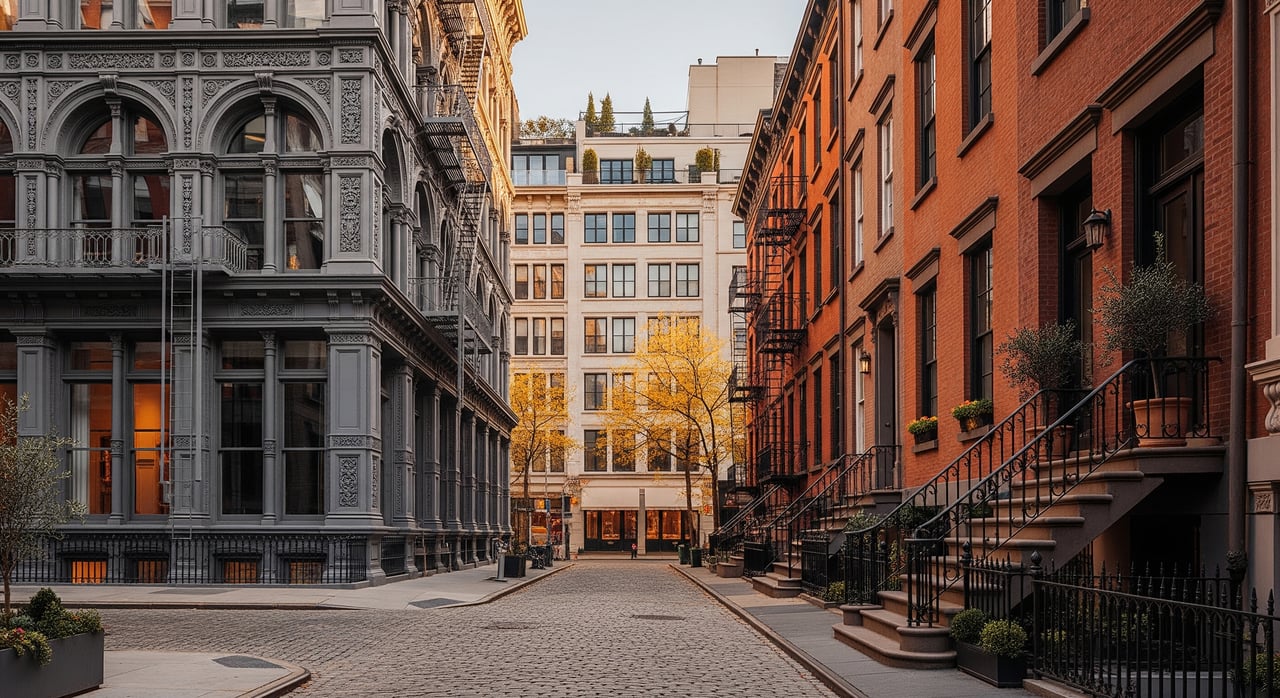
SoHo feels like a destination. Think cast-iron facades, tall windows and wide storefronts along Broadway, West Broadway, Spring, Prince, Greene and Mercer. Foot traffic is high during the day and on weekends, especially in peak shopping and holiday seasons. You get a steady buzz of pop-ups, gallery openings and retail activations that give the streets a kinetic, big-city feel.
Nolita’s neighborhood feel
Nolita reads more intimate. Narrower streets like Mott and Elizabeth host small boutiques, cafés and bakeries with a local rhythm. The daytime flow is calmer than SoHo, with more residents than tourists on many blocks. You still have plenty of energy, but it tilts toward a village-like pace that many find easier for daily routines.
Dining, cafés and nightlife
SoHo’s destination dining
You will find larger restaurants, notable names and high-demand tables in SoHo, especially along busy retail corridors. Many spots serve a mix of locals and visitors, so reservations can feel competitive at peak hours. Late-night options exist on select blocks, and trend-driven openings keep the scene evolving.
Nolita’s intimate food scene
Nolita leans boutique and chef-driven at a smaller scale. Expect independent restaurants, cozy cafés, bakeries and intimate bars that feel tailored to the neighborhood. Evenings tend to be quieter off the main drags, which suits relaxed dinners and catch-ups instead of big nights out.
Shopping and retail mix
SoHo’s flagship corridor
SoHo remains one of Manhattan’s premier shopping destinations. Flagship stores, global brands, art galleries and high-end boutiques cluster here, making it ideal for window shopping and quick access to a wide range of retail. Expect more tourists, frequent store refreshes and seasonal crowds.
Nolita’s indie boutiques
Nolita is all about discovery. You will find independent designers, specialty shops and concept stores on compact blocks. Browsing is slower and more personal, with a lower tourist feel than SoHo’s main corridors. It is a strong fit if you like unique pieces and smaller retail experiences.
Homes and buildings
SoHo’s loft living
SoHo is known for converted industrial lofts with large floor plates and high ceilings that often soar past 12 feet. You may see exposed brick, timber or steel columns and oversized windows that flood open plans with light. Many buildings are condominiums or co-ops, and newer boutique condos add elevator and amenity options. If you need studio or atelier space, SoHo lofts can be a standout.
Nolita’s walk-ups and boutique condos
Nolita’s housing stock is more low- to mid-rise, with classic walk-ups, rowhouses, small condo conversions and a handful of new boutique builds. Units often have more defined rooms and more conventional footprints than SoHo lofts. This mix suits singles and couples who want a smaller, well-designed home in a tight-knit setting.
Noise, crowds and livability
SoHo’s busy backdrop
With major retail streets come deliveries, shoppers and general city noise. Daytime energy is a feature, and evenings can stay lively near restaurants and busy blocks. Many residents find inner, less-trafficked streets calmer, but overall you should expect a higher baseline of urban sound.
Nolita’s quieter pockets
Nolita’s smaller storefronts and residential tone tend to reduce heavy foot-traffic noise. That said, popular bars and restaurants on specific blocks can create evening activity. Blocks near Houston or the Bowery usually feel busier than interior side streets, so touring at different times of day is smart.
Transit and getting around
SoHo’s connectivity
SoHo offers strong subway access, with multiple lines within a short walk for most addresses. Citi Bike docks and local buses add flexible options. Commuting within Manhattan is straightforward, and cross-downtown transfers are easy from central corridors.
Nolita’s close-in convenience
Nolita is very walkable and sits within a few minutes of several stations on its edges. You may have slightly fewer direct lines at your doorstep than central SoHo blocks, but most daily trips downtown are quick. You are also a short walk to SoHo, the Lower East Side and NoHo, which expands your transit choices.
Everyday services and green space
Groceries and daily errands
SoHo delivers a high count of services like dry cleaning, salons, galleries and specialty retailers. Larger supermarkets can be a few blocks away depending on where you live, while premium grocers and markets fill in daily needs. In Nolita, you will find neighborhood-focused groceries, specialty markets, smaller day-to-day retailers and convenient daycare options for residents.
Parks and nearby amenities
From SoHo, Washington Square Park is a pleasant walk north, and there are pocket parks nearby. In Nolita, small green spaces and the wider stretch of Sara D. Roosevelt Park to the east add options for fresh air without leaving the neighborhood. Both areas sit close to cultural institutions and downtown destinations.
A day in the life
If you live in SoHo
Morning starts with coffee on a side street before a short stroll to a studio or flexible workspace. Lunch might be a sit-down spot near Prince or a quick bite on Broadway. After work, you can browse a gallery, drop into a retail launch and meet friends for dinner in a lively dining room. By 10 pm, major corridors still move with foot traffic, while smaller side streets calm down.
If you live in Nolita
You step outside to a neighborhood café where the barista greets regulars by name. Midday, you run errands at independent shops or specialty grocers, then meet a friend for a quieter lunch. Evenings are intimate: a table at a local restaurant, then a relaxed nightcap nearby. By late evening, interior residential blocks feel settled, with a soft hum from busier edges.
Which neighborhood fits you?
- Choose SoHo if you value: larger loft-style spaces, cast-iron architecture, flagship shopping, a vibrant street scene, and quick access to many downtown subway lines.
- Choose Nolita if you value: a quieter, boutique feel, narrow streets with independent cafés, smaller-scale buildings and a neighborhood-first rhythm.
How to pick with confidence
- Walk both areas during a weekday, a weekend and an evening. Note foot traffic and noise on your target block.
- Step inside buildings that match your lifestyle: lofts in SoHo or walk-ups and boutique condos in Nolita.
- Map your commute and favorite spots. Time door-to-platform walks and door-to-dinner walks.
- Scan public data like 311 complaints to compare noise or cleanliness tendencies by block.
When you are ready to tour, a local partner makes the difference. If you want curated options, furnished or unfurnished, or need flexible settlement including crypto, connect with APT212 for neighborhood-guided showings and a smooth transaction.
FAQs
Which area is quieter at night for sleep or remote work?
- Nolita’s interior residential blocks are typically calmer, while SoHo’s busiest retail corridors stay lively later. Touring your specific block at night is the best test.
Where will I find larger loft-style layouts in downtown Manhattan?
- SoHo is known for converted industrial lofts with tall ceilings and open plans, while Nolita more often offers conventional apartments in walk-ups and boutique condos.
How do the dining scenes compare in SoHo vs Nolita?
- SoHo skews toward destination dining with larger venues and higher reservation demand. Nolita leans intimate with independent restaurants, cafés and bars.
What is the shopping experience like in each neighborhood?
- SoHo features flagship retail and global brands with higher tourist traffic. Nolita focuses on independent boutiques and specialty shops with a more local feel.
How do transit options differ between SoHo and Nolita?
- SoHo has broader, central access to multiple subway lines. Nolita’s stations are often on the edges, but both areas are highly walkable and well connected.
What should I expect for building services and fees?
- SoHo includes many condo and co-op loft buildings, plus boutique condos that may offer elevator and service amenities. Nolita’s walk-ups and small condos often have simpler service profiles. Review each building’s offering plan and budget during due diligence.
How stable is demand for homes and rentals here?
- Both neighborhoods maintain strong interest due to location, architecture and lifestyle. Market figures shift over time, so review current pricing and inventory when you are ready to move.

